Schwinger Lawn Service, Weed Control
Weed Control in Stuart, Iowa
Dandelions, creeping Charlie, thistle. Liquid broadleaf control that targets the weeds and leaves your grass alone.
Schwinger Lawn Service, Weed Control
Dandelions, creeping Charlie, thistle. Liquid broadleaf control that targets the weeds and leaves your grass alone.

Voted Best Lawn Care Business, Best of Guthrie County
Stuart, Iowa Weed Control
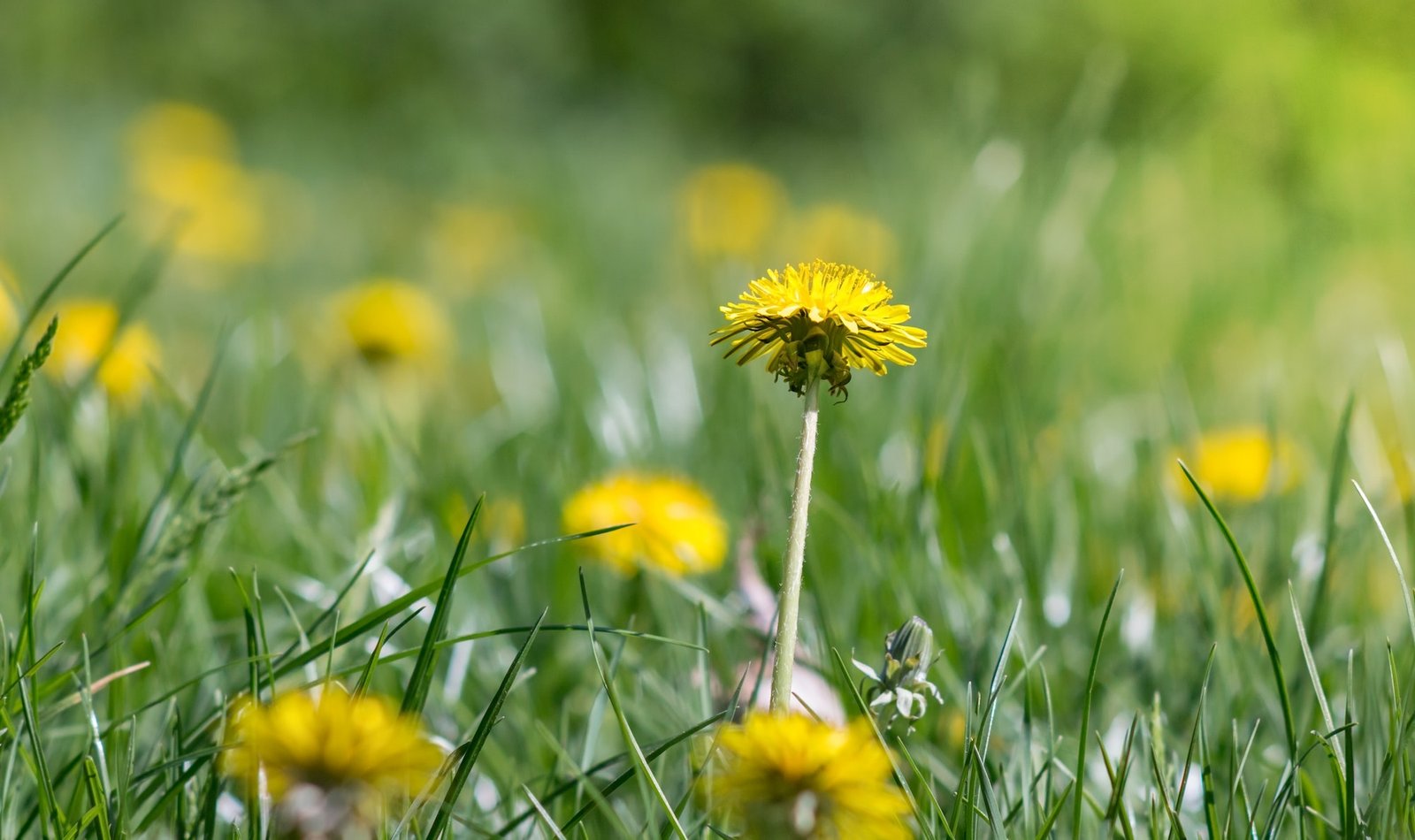
Iowa's warm, wet springs are about as good as it gets for broadleaf weeds. Dandelions are up before the grass gets going. Creeping Charlie spreads across shaded areas all spring. Thistle comes on heavy in June. Left alone, these weeds compete with your grass for water and nutrients, and they win.
We apply liquid broadleaf herbicide that's selective, meaning it kills broadleaf plants and leaves turf grasses alone. The product absorbs through the leaves and moves through the plant's vascular system down to the root. That's why it works better than pulling: you get the root.
Timing matters on both ends of the season. Spring applications work best when weeds are actively growing and taking up product fast. Fall applications, especially for dandelions, are often more effective because the plant is pulling energy down into the root to store for winter. Hit it then and you knock out the root entirely.
Call 515-523-1061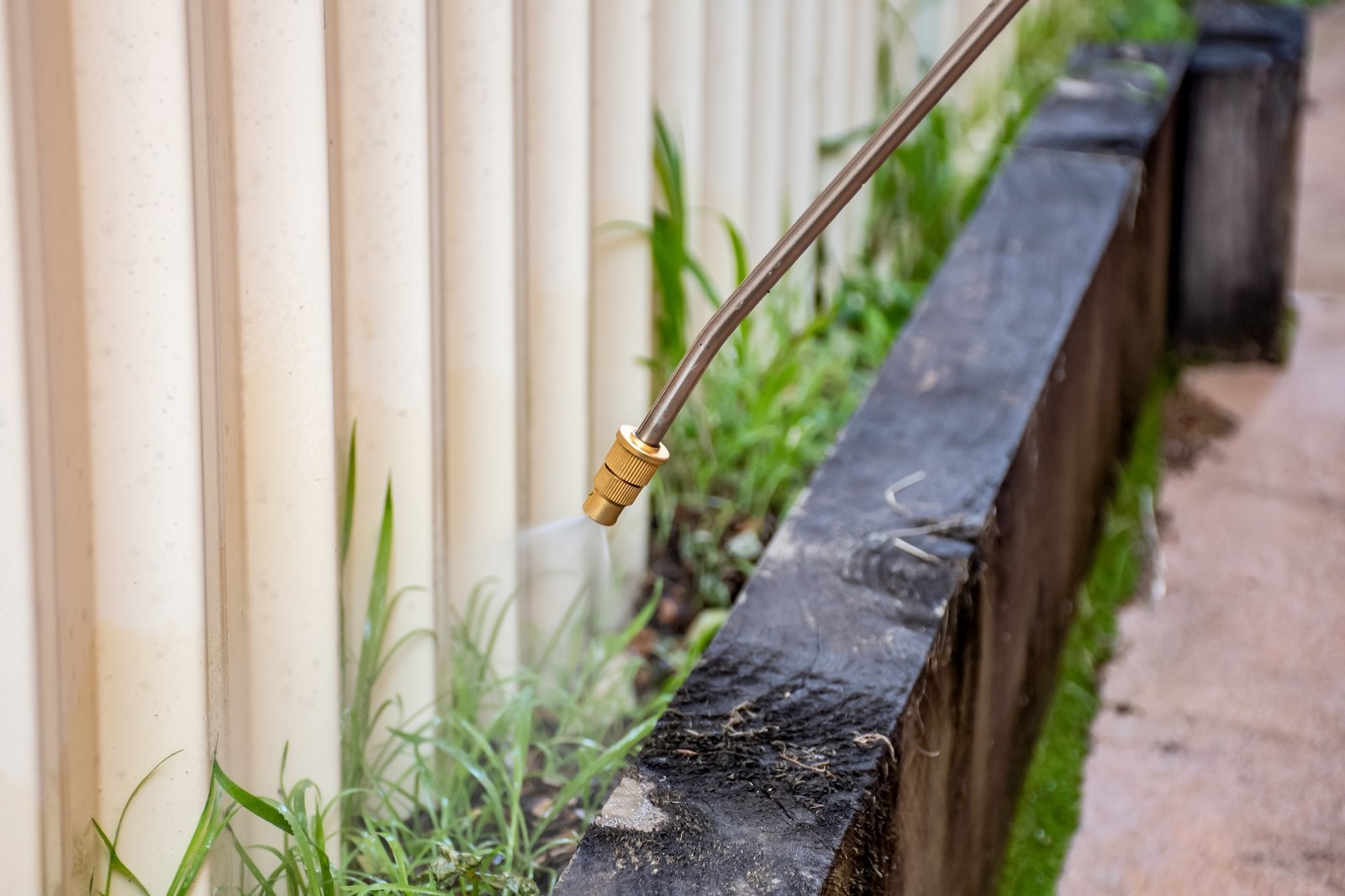
Central Iowa Lawn Weeds
Central Iowa lawns deal with a predictable set of weeds, the same ones show up in Stuart, out toward Earlham and Greenfield, and across Guthrie, Adair, and Madison Counties. Heavy clay soil compacts easily and stays wet in spring, which creates exactly the conditions weeds love. Knowing what you're dealing with matters because timing and product choice differ by species.
The Full Picture
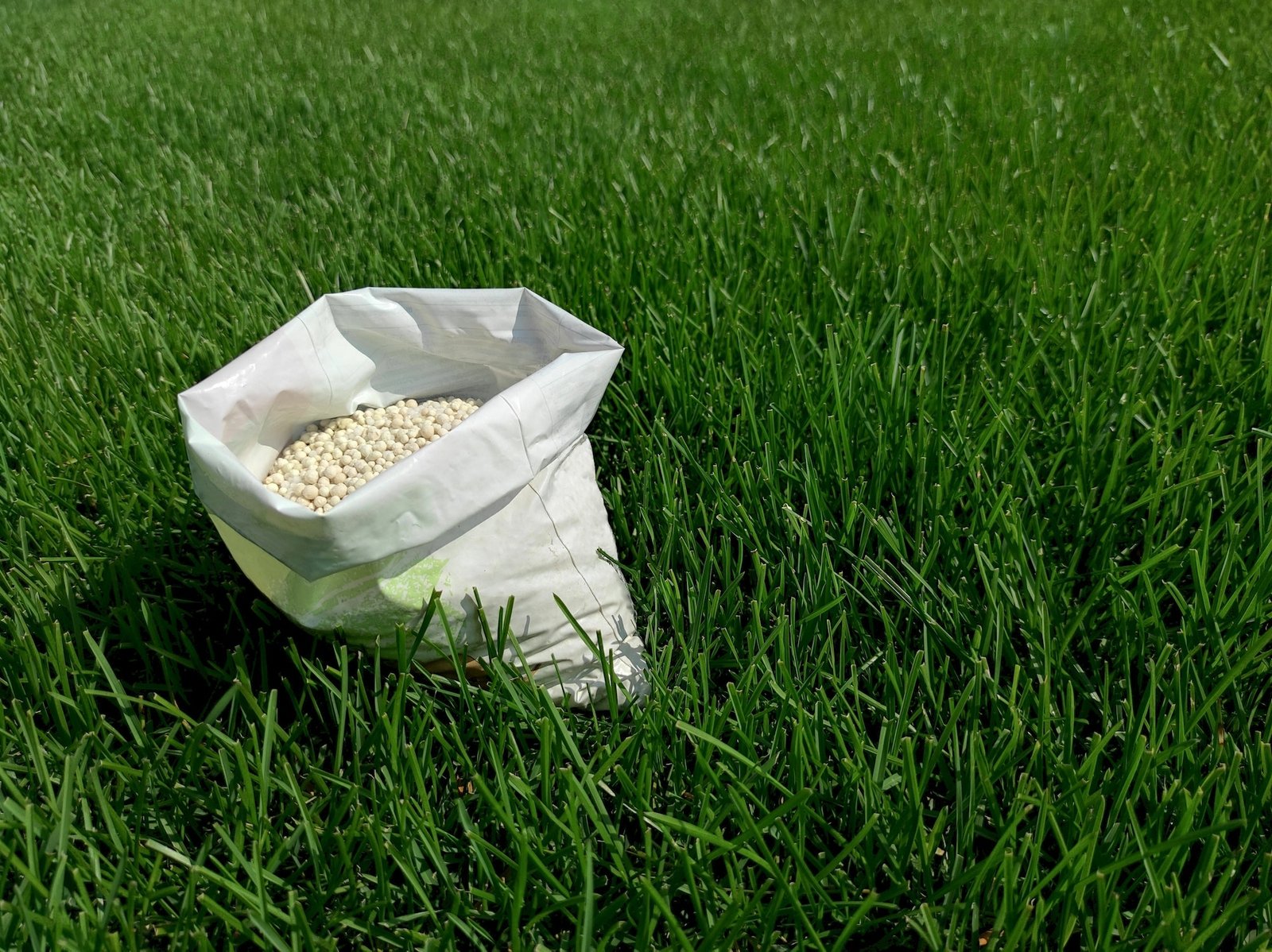
Weed control and fertilization aren't the same thing, but they work together. Weed control eliminates the competition. Fertilization builds up the turf so it can fill in the gaps those weeds left behind. A lawn that's thick and healthy crowds out weeds naturally over time.
If you're only spraying weeds without feeding the grass, you'll keep having the same problem every year. The weeds come back because the turf isn't dense enough to keep them out. That's the cycle people get stuck in.
Our 8-Step Lawn Care Program addresses both sides: scheduled fertilizer applications timed to the season, plus weed control built into the program. It's the comprehensive approach, and it's what we recommend if you want your lawn to actually improve year over year instead of just getting maintained.
See the 8-Step Program
Common Questions
How long does it take for weeds to die after treatment?
Most broadleaf weeds show visible damage, yellowing, wilting, curling, within 3 to 7 days. Complete browning and death typically takes 2 to 3 weeks. The speed depends on the weed species, the temperature, and how actively the plant is growing. Weeds treated during warm, sunny weather die faster than those treated during cool or cloudy stretches. Don't judge a treatment at day 5, give it two to three weeks before deciding if a second application is needed.
Is it safe for kids and pets after the product dries?
Yes. Once the product has dried, typically 2 to 4 hours after application, depending on temperature and sun, the lawn is safe for foot traffic from people and pets. We'll let you know when we spray and roughly when it's dry. If it rains within a couple of hours of application, we may need to re-treat since the product gets washed off before it's had a chance to absorb. We'll tell you if that happens.
Will the herbicide kill my grass?
No. The products we use are selective broadleaf herbicides, they're designed specifically to affect broadleaf plants and not grasses. They work by targeting a biological process that broadleaf plants have and grasses don't. That said, every lawn is different, and some fine fescues and ornamental grasses are more sensitive. If you have unusual grass varieties or groundcover plants you want to protect, tell us before we apply. We'll adjust the application or work around those areas.
How often do I need treatment?
Most lawns benefit from two applications per year: one in spring (late April to May, once weeds are actively growing) and one in fall (late September to October). A single spring application handles a lot of the problem but won't eliminate everything, especially perennials like creeping Charlie that need repeat treatment over time. If you're on our 8-Step Program, weed control is scheduled into the program, you don't have to think about timing.
Call us or fill out the form for a free quote. We cover Stuart and surrounding Guthrie County communities.
Where We Work
Our weed control programs are available throughout Guthrie County and surrounding areas. We cover Earlham, Dexter, Panora, Lake Panorama, Adair, Adel, Diamondhead Lake, and Greenfield, plus Winterset, Guthrie Center, Redfield, and surrounding communities. If you are within a reasonable drive of Stuart, call and we will tell you straight whether we can get to you.
Stuart, Iowa
3278 White Pole Road, Stuart, IA 50250 • Serving Stuart and surrounding Guthrie County